· Editor · 13 min read
Best IPS TFT Screens for Accurate Color and Wide Viewing Angles
An IPS TFT screen is a type of LCD display that uses in plane switching to rotate liquid crystals within the panel plane. This special display technology delivers wide viewing angle performa
Introduction: IPS TFT Screens and Why They Matter in 2026
An IPS TFT screen is a type of LCD display that uses in plane switching to rotate liquid crystals within the panel plane. This special display technology delivers wide viewing angle performance and stable image quality. Unlike a normal TFT display based on classic TN displays, IPS technology prevents the typical gray inversion effect seen in standard TFT panels.
IPS displays maintain color stability at all viewing angles. A standard TFT display has a viewing angle of 45° to 55°. IPS displays achieve a viewing angle of up to 85°. That gap matters when you tilt a screen or share it with others. Colors remain stable instead of shifting or washing out.
IPS displays are suitable for both compact and larger DIY electronics projects. They power smartphones, tablets, computer monitors, and laptops. They also serve industry and medical technology applications. Automotive dashboards and interactive interfaces rely on them too.
This article helps you choose the best IPS TFT screen type for your project or device. Here is what we cover:
Seven IPS TFT categories ranked by use case and adoption
Key specs like brightness, color gamut, and refresh rate
How to match an IPS display to your environment and budget
The role of driver electronics, interfaces, and touch panel options
Recent trends in display technology through 2026
How We Chose the Best IPS TFT Screen Types and Modules
This list compares IPS TFT panel families and ready modules. It does not rank entire brands. Selection relies on real-world availability and current production status from major LCD panel manufacturers.
Evaluation criteria:
Viewing angles: contrast remains constant and color stable at 80°–89° off-axis
Color gamut: sRGB, DCI-P3, and Adobe RGB coverage plus support for calibration
Brightness range: standard 250–400 nits vs 800+ nits for sunlight-readable use
Refresh rate and response time: 60 Hz for mainstream, 120–240 Hz for gaming
Power draw: critical for battery devices and always-on systems
Operating temperature: robustness for industrial and automotive environments
Interfaces: RGB, LVDS, eDP, MIPI DSI, SPI, and MCU options plus touch integration
Module size range: from 1.3-inch wearables to 27-inch desktop TFT displays
Price and lifecycle: long-term availability, minimum order quantity, and high cost risk
Top 7 IPS TFT Screen Categories for Different Uses
The “best” IPS TFT screen depends on your use case. Each entry below covers a distinct category with concrete specs. The order reflects usefulness and adoption for most buyers and engineers.
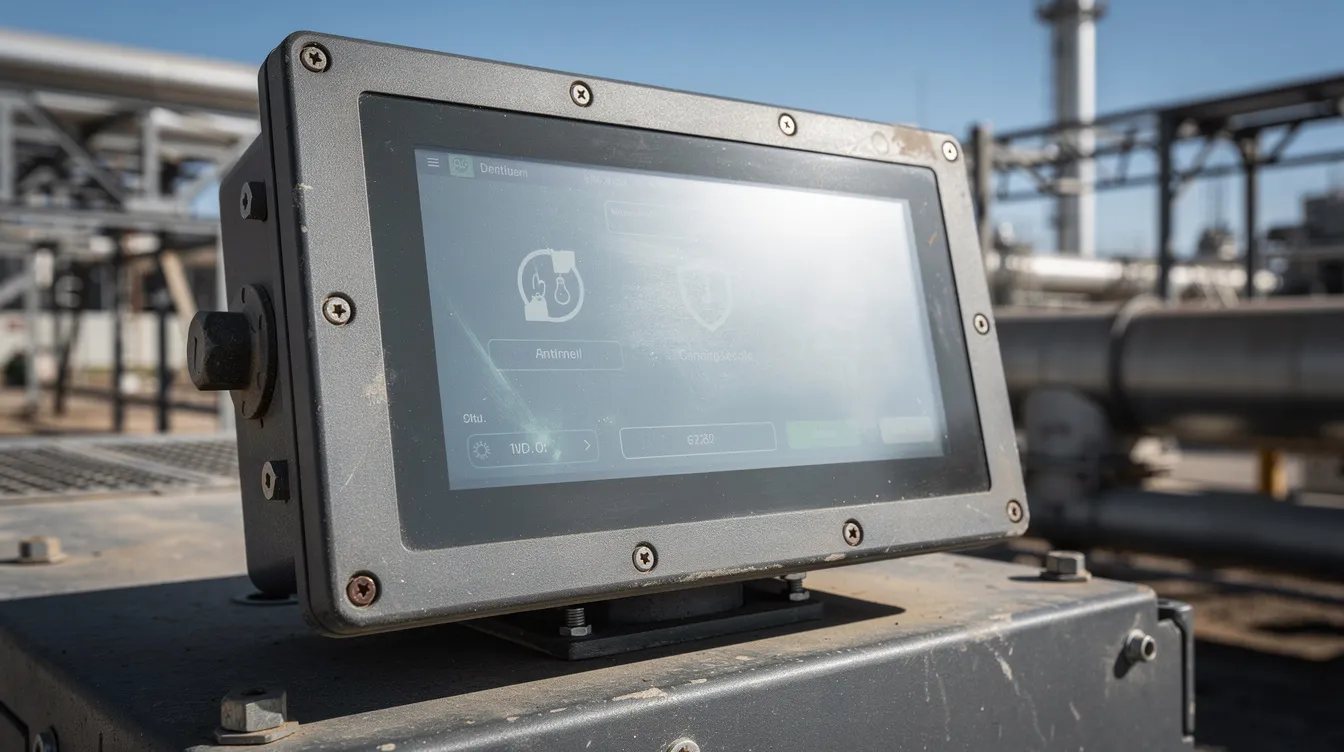
1. High-Brightness Industrial IPS TFT Modules (4.3”–10.4”)
These sunlight-readable IPS TFT modules serve kiosks, HMIs, ticket machines, and outdoor instruments. They deliver a brilliant and bright display even under direct sun.
Why It Stands Out
Brightness ranges from 800 to 1,500 nits. AACS technology enhances brightness at extreme viewing angles for IPS. Common resolutions include 480×272, 800×480, and 1024×600. These modules achieve high brightness that stays readable outdoors. Industrial OEMs favor them for 5–7+ year lifecycles.
Best For
Outdoor HMIs and marine displays
Factory control panels and EV charging stations
Rugged terminals in dust and moisture
Engineers who need reliable viewing in bright daylight
Key Strengths
High brightness and all angle color stability with IPS viewing angles
Extended temperature ranges (often −20°C to +70°C or better)
Interface options include RGB, LVDS, and sometimes SPI or MCU for small sizes
Optional PCAP touch panel and optical bonding for harsh environments
Good backlight lifetime rated at 50,000+ hours
Possible Limitations
Higher cost than consumer IPS panels at the same size
Thicker build due to bright backlighting and robust glass
Power draw climbs with very bright backlighting, so less ideal for small battery devices
2. Compact IPS TFT Screens for Wearables and Small Devices (1.3”–3.5”)
Tiny IPS TFTs power smartwatches, meters, handheld tools, and IoT devices. They replace older TN technology for a clear and color TFT display at any wrist angle.
Why It Stands Out
Small IPS TFTs give better viewing from any angle than classic TN displays. A normal TFT display shows the typical gray inversion effect when tilted. IPS technology eliminates that problem. Common resolutions include 240×240, 320×240, 480×480, and 640×360. These screens support SPI, MCU, and MIPI DSI interfaces for simple microcontrollers.
Common driver chips for IPS TFT screens include ST7789 and ILI9341. Many modern ST7789 variants are true IPS panels with excellent viewing angles. The ST7789 driver chip allows easier integration without a chip-select pin in some setups. Driver chips play a crucial role in the performance and compatibility of IPS displays.
Best For
Wearables like fitness bands and smartwatches
Battery-powered handheld testers and medical devices
Compact gadgets like smart thermostats and small audio players
Key Strengths
Low power draw with IPS-level wide viewing angle performance
Square and round form factors suit watch faces and dials
Good pixel density at close distance (often 200–300+ PPI)
Often available with integrated capacitive touch. Capacitive touch options are preferred over resistive touch options for better responsiveness.
Using SPI requires fewer GPIO pins than parallel interfaces for IPS displays. SPI is a preferred interface protocol for IPS TFT screens with microcontrollers.
Possible Limitations
Limited brightness vs larger industrial panels unless cost rises
Choosing an IPS TFT screen depends on the microcontroller’s memory and processing power. Arduino Uno has limited RAM, which makes driving high-resolution screens challenging.
Screen resolution needs to match the specific Arduino model being used
Some modules have a narrow supply base. A second source can be hard to find.
3. IPS TFT Laptop and Tablet Panels (10.1”–16”)
These are the standard IPS TFT panels in mid- to high-end notebooks and tablets from 2019 through 2026.
Why It Stands Out
Most mid- to high-end laptops now use IPS TFT. Typical resolutions span Full HD, 2K, and 4K. Aspect ratios include 16:9 and 16:10. The dominant interfaces are eDP and MIPI DSI. IPS displays maintain color stability at extreme viewing angles. That matters when you tilt a laptop lid or share your screen.
Best For
Creative professionals who need stable color at any screen angle
Students and office users who share screens for collaboration
Tablet-based field tools used indoors and in shaded outdoor areas
Key Strengths
Wide viewing angles with good color consistency for text, video, and design
Moderate to high brightness (300–500 nits) with anti-glare or glossy options
High pixel density for sharp UI and fine text
Thin construction for slim laptops and 2-in-1 devices
Possible Limitations
Hard to source as loose panels without OEM contacts
High-resolution versions draw significant power at full brightness
Glossy coatings cause reflections in strong light
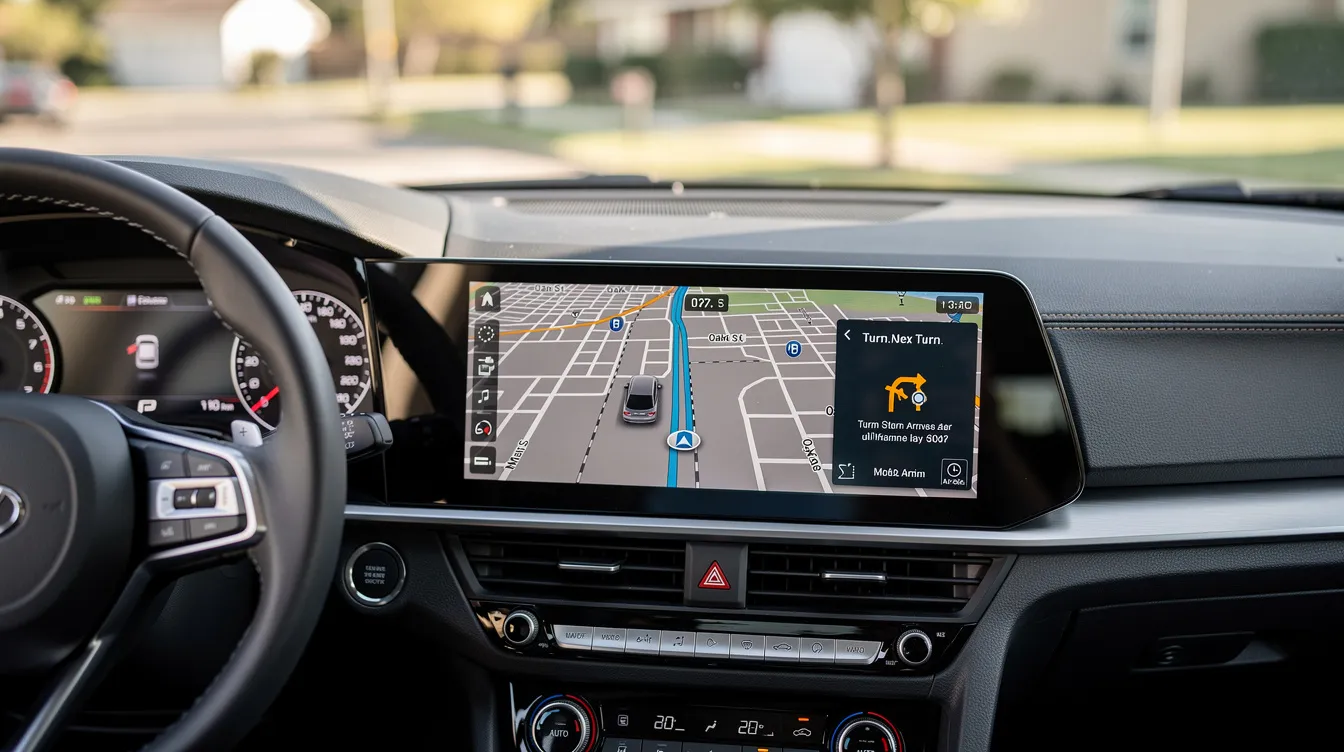
4. Automotive-Grade IPS TFT Screens (7”–15.6”)
These IPS TFT panels serve instrument clusters, infotainment units, and center stacks in vehicles.
Why It Stands Out
Wide viewing angles let both driver and passengers read the display directly. Typical specs include 1,000+ nit brightness and high contrast. Strict automotive standards like AEC-Q100 apply. TFT displays require very bright backlighting due to low transmittance in some older designs. Modern IPS panels solve this with better light efficiency.
Best For
Instrument clusters and HUD support screens in cars and trucks
Infotainment systems with touch input and split-screen layouts
Construction and agricultural vehicles that demand high durability
Key Strengths
Operating temperature range often −30°C to +85°C or more
High brightness and anti-reflective treatments for direct sunlight
Long design lifetimes and strict quality controls
Custom curvature and bezel-less designs for modern dashboards
Possible Limitations
High unit cost and long design-in cycles
Hard for small-volume buyers to access true automotive-grade modules
Documentation and supply often limited to approved tier-1 suppliers
5. Color-Critical Professional IPS TFT Monitors (24”–32”)
Professional displays for designers, video editors, and photographers. These deliver the best color accuracy in the IPS TFT world.
Why It Stands Out
Factory calibration, 10-bit color support, and wide color gamut define this category. The ASUS ProArt PA27UCGE offers 4K, 600 nits, and 98%+ DCI-P3. The BenQ PD2770U covers 99% Adobe RGB and 99% P3. Advanced technologies like IPS Black push contrast to ~2,000:1. These are not the display technology for casual use. They target display visions displays for critical color work.
Best For
Graphic designers who match on-screen color to print
Video editors working in Rec.709, DCI-P3, and HDR workflows
Scientists who need accurate color maps and data plots
Key Strengths
Excellent color accuracy and uniformity across the panel
Wide viewing angles for multi-monitor and client review setups
Hardware LUT calibration stored in the display itself
8-bit+FRC or true 10-bit per channel support
Colors remain intact even at sharp angles
Possible Limitations
Higher price than standard office IPS TFT displays
Peak brightness may lag behind gaming or HDR TVs
Some panels show IPS glow in dark rooms at off angles
6. High-Refresh IPS TFT Gaming Screens (23.8”–34”)
Gaming monitors with 120–280 Hz refresh rates and IPS color quality. These combine speed with image quality.
Why It Stands Out
Fast IPS panels deliver 144 Hz, 165 Hz, 240 Hz, and even 280 Hz refresh rates. Response times drop to 1–3 ms GtG. Adaptive sync standards like AMD FreeSync and NVIDIA G-SYNC Compatible reduce tearing. IPS panels offer wide viewing angles and vibrant contrast compared to TN panels. That is a technology advantage for multi-seat gaming.
Best For
PC gamers who want speed and accurate color in one screen
Esports players who notice motion blur and input lag
Mixed-use users who game and also do color-sensitive work
Key Strengths
Low response times with IPS-level color and angle IPS stability
Wide viewing angles for console gaming and LAN setups
Resolutions from 1080p for speed to 1440p or 4K for detail
Gaming OSD tools, crosshair overlays, and FPS timers
Possible Limitations
Fast IPS may show slight blur vs top OLED at the same refresh
Higher power draw at 240 Hz and above
Cost rises sharply for 4K IPS at 144 Hz or more
7. Cost-Optimized Consumer IPS TFT Screens (Phones, Budget Monitors, TVs)
Mainstream IPS TFTs bring inexpensive and high quality viewing to mid-range phones, office monitors, and smaller TVs.
Why It Stands Out
These panels spread IPS viewing to the mass market at low cost. Resolutions include 1080p for phones and monitors, up to 4K in TVs between 43” and 65”. Brightness sits at 250–350 nits. That is enough for most non-professional users. Full color displays with acceptable gamut cover everyday needs. The word LCD still describes most budget screens sold today.
Among LCD panel manufacturers, BOE is the largest globally. Samsung Display was the largest until BOE overtook it in 2019. LG Display and the former LG.Philips Displays ranked as the second largest TFT LCD manufacturer. AUO was formed in 2001 from a merger of two companies. Sharp was acquired by Foxconn in 2016 due to competition. Japan Display Inc and Japan Display remain active in this market. These companies produce the TFT LCD displays behind most consumer screens.
Best For
Office desktops where budget matters more than perfect color
Mid-range smartphones launched between 2022 and 2026
Bedroom and secondary TVs that do not need premium HDR
Key Strengths
Strong value with good enough color for daily use
Widespread availability and many brand options
Simple integration in consumer devices and white-label products
Possible Limitations
More backlight bleed and IPS glow than premium lines
Lower brightness and contrast vs high-end IPS, VA, or OLED
Limited factory calibration. Display content turns gray or shows completely wrong colors on cheap panels without proper tuning.
Quick Comparison of the Best IPS TFT Screen Categories
Here is a fast reference for each category:
High-Brightness Industrial IPS TFT Modules – Best for outdoor HMIs, kiosks, and rugged terminals
Compact IPS TFT Screens for Wearables – Best for watches, handhelds, and small IoT devices
IPS TFT Laptop and Tablet Panels – Best for portable productivity and study
Automotive-Grade IPS TFT Screens – Best for dashboards, clusters, and in-vehicle infotainment
Professional IPS TFT Monitors – Best for design, photo editing, and video grading
High-Refresh IPS TFT Gaming Screens – Best for fast-paced games without losing color fidelity
Cost-Optimized Consumer IPS TFT Screens – Best for budget monitors, TVs, and mid-range phones
How to Choose the Right IPS TFT Screen
Your choice depends on use case, environment, and budget. Start with where the screen will live. Then match specs to your needs.
Choose Based on Environment and Brightness Needs
Outdoor and high-ambient-light spaces need 800+ nit IPS TFTs. So called sunlight-readable panels use a brightness enhancer film and so called BEF films to achieve high brightness. Office and home use works well with 250–350 nit screens. A sudden tilt in bright daylight will wash out an under-spec screen. TFT displays require very bright backlighting due to low transmittance in some designs.
Target ranges:
Indoor: 250–400 nits
Semi-outdoor: 500–800 nits
Full outdoor: 800–1,500 nits
Even with a few LEDs, modern backlights can push past 1,000 nits. IlluminationWith wide angle IPS technology, content remains visible in all directions compared to TN technology at a small angle.
Choose Based on Interface, Size, and Integration
Match your IPS TFT interface to your controller or SoC. SPI works for small screens with microcontrollers. RGB and LVDS suit mid-size industrial LC displays. eDP connects laptop and tablet panels. MIPI DSI fits mobile and embedded platforms.
Size and resolution must align with viewing distance. A single pixel matters more on a 1.3-inch wearable than a 27-inch monitor. Consider mechanical constraints: bezel, thickness, and mounting points.
For touch, capacitive panels outperform resistive for most interactive interfaces. Optical bonding reduces reflections on outdoor displays. A negative display effect can appear without proper bonding.
Initialization examples and plus support for common driver chips simplify integration. The ILI9341 and ST7789 cover most small-screen needs.
Choose Based on Color Performance and Lifetime
Color accuracy matters in design, medical technology review, and print matching. An IPS display describes a panel where colors remain stable across extreme viewing angles. AACS technology enhances color stability in IPS displays. This so called AACS technology brilliant displays approach helps professional displays hit Delta-E below 2.
Panel lifetime also matters. LED backlights in quality TFT LCD panels last 50,000+ hours. IPS has no burn-in risk like OLED. Check datasheets for operating temperature, shock, and vibration ratings.
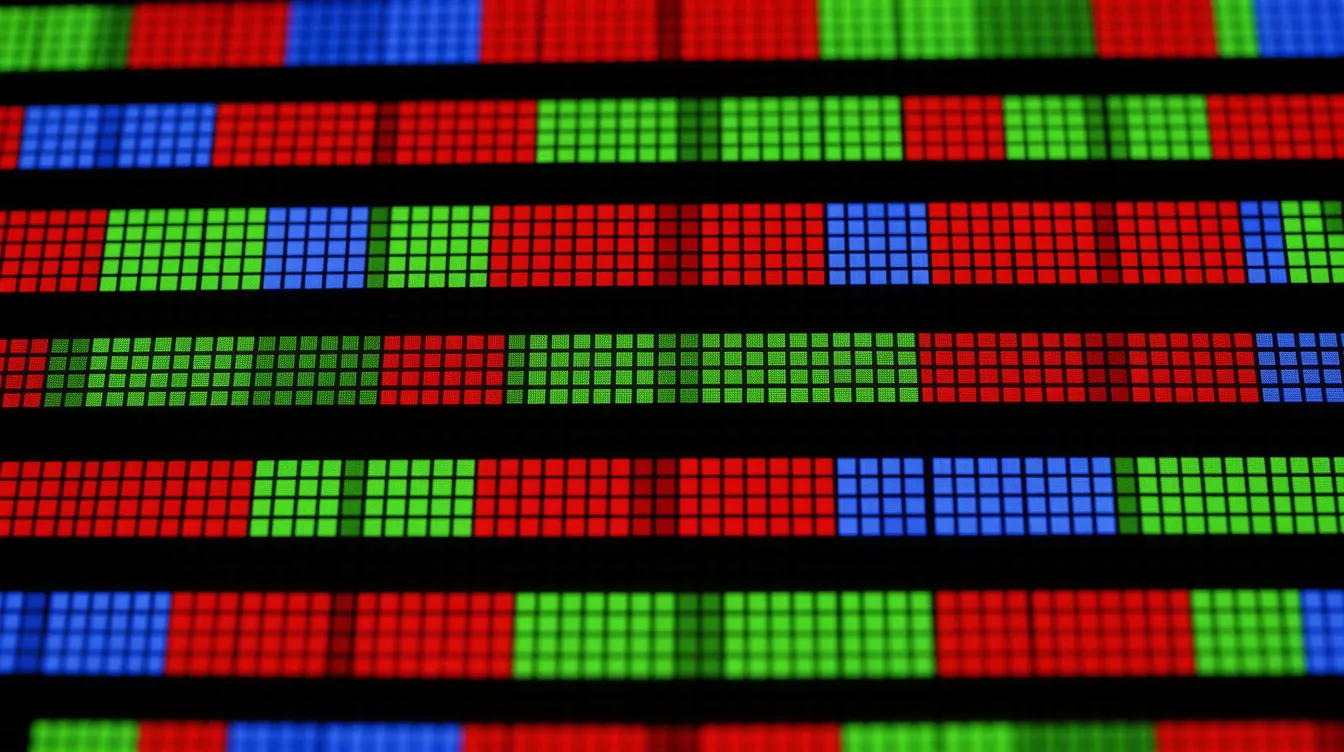
Pay for wide gamut and calibration when color fidelity drives your work. Standard sRGB coverage is enough for office and general consumer use. Thin film technology in modern TFT panels improves light transmission. Each thin film transistor controls a single pixel for precise display content rendering.
Which IPS TFT Screen Category Is Best for You?
Map your needs to one category:
Choose High-Brightness Industrial IPS TFT Modules if you build outdoor or factory HMIs that must stay readable in sun and dust
Choose Compact IPS TFT Screens for Wearables if you design small, battery-powered devices seen up close
Choose IPS TFT Laptop and Tablet Panels if you need portable productivity with good viewing angles
Choose Automotive-Grade IPS TFT Screens if your project goes into vehicles or heavy equipment
Choose Professional IPS TFT Monitors if color fidelity and calibration are your priorities
Choose High-Refresh IPS TFT Gaming Screens if smooth motion in games matters most
Choose Cost-Optimized Consumer IPS TFT Screens if budget matters most and basic IPS quality is enough
Final Thoughts on IPS TFT Screens
IPS TFT is now the default LCD panel choice for wide-angle, color-stable displays. From a 1.3-inch smartwatch to a 32-inch professional monitor, this display technology covers almost every need. No single category wins for everyone. The best choice depends on light conditions, durability, interface, and cost.
Start from your environment and lifetime needs. Then narrow by size, interface, and color performance. Display quickly evolving trends - like IPS Black panels with ~2,000:1 contrast, mini-LED backlights, and improved power efficiency - will keep pushing IPS TFT forward through 2026 and beyond.